Defense Priorities Defense Priorities
  • Policy Topics
    • Venezuela
    • China
    • Israel-Hamas
    • Ukraine-Russia
    • NATO
    • Syria
  • Analysis
    • Research
    • Q&A
  • Programs
    • Grand Strategy Program
    • Military Analysis Program
    • Asia Program
    • Middle East Program
  • Experts
  • Events
  • Media
  • About
    • Mission & Vision
    • People
    • Jobs
    • Contact
  • Donate
Select Page
Home / Iraq / The American position in the Middle East courts peril
Iraq, Middle East, Syria

November 15, 2023

The American position in the Middle East courts peril

By Geoff LaMear

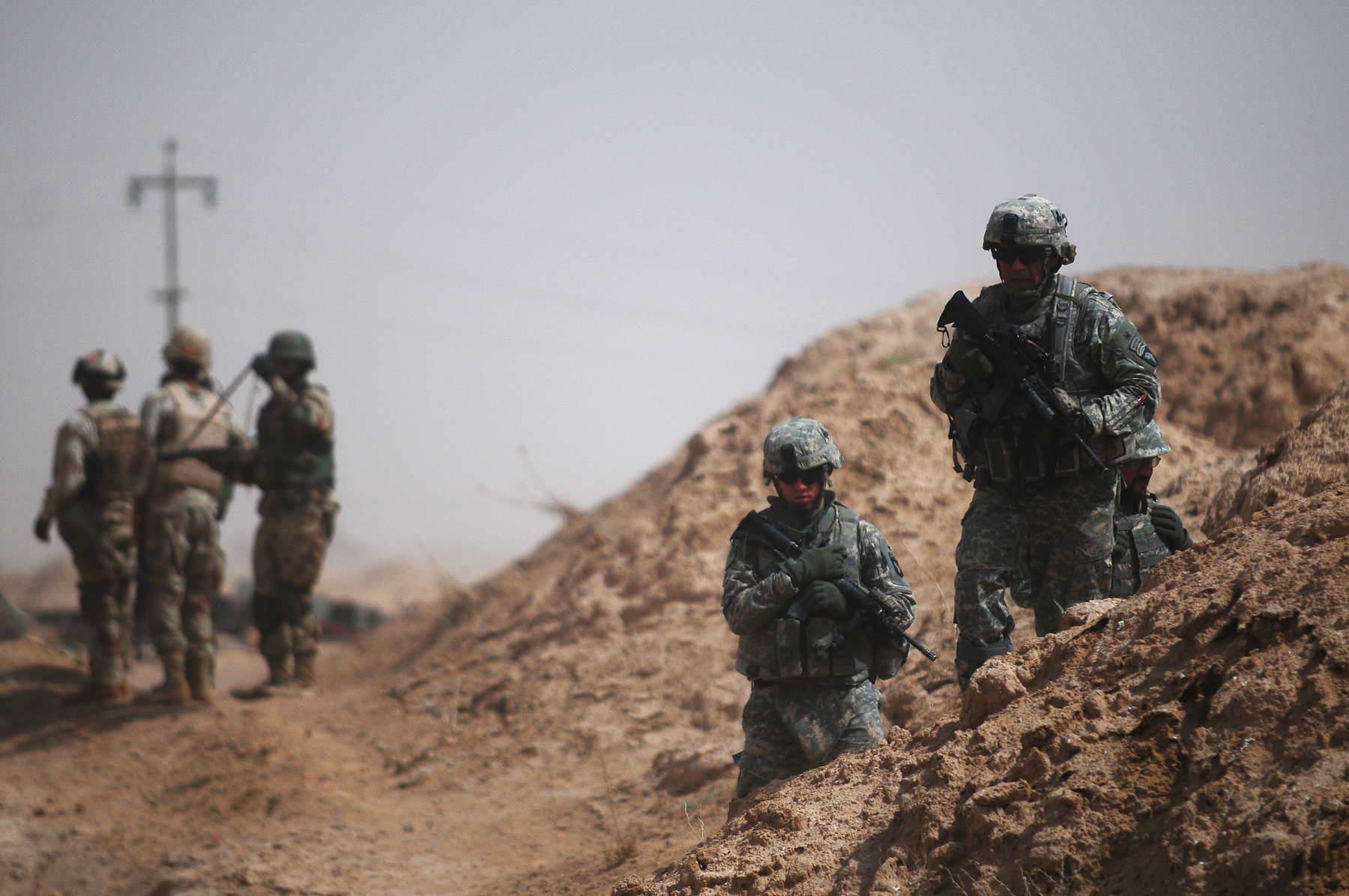
Amidst dozens of attacks on American troops in Iraq and Syria, the United States is risking the lives of American service members and increasing the likelihood of war with Iran. With Iran-backed militias not backing down, and scores of American troops already injured, a withdrawal is key to ensuring that the United States is not once again mired in a Middle Eastern conflict disconnected from vital American interests.

Before the first shots were fired by Hamas militants on October 7, the United States already had troops stationed throughout the Gulf, Iraq, and Syria. These troops were meant to deter Iran and its militias, but their very presence ironically provides Iran with a set of engageable targets if a regional conflict erupts, as a string of attacks in recent days have demonstrated. Troops in Iraq and Syria have protection from less sophisticated rocket and indirect fire attacks, but remain particularly vulnerable to ballistic missiles.

The addition of a THAAD air defence battery and accompanying Patriot battalions is meant to alleviate this threat. These systems target ballistic missiles rather than the rockets used by Hamas and Palestinian Islamic Jihad. This indicates that Washington is planning for a worst-case scenario of direct conflict with Iran, whose military power is predicated on its advanced ballistic missiles. While these air defences will help insulate some pockets of American troops from attack, the reality is that these troops are still at great risk from an escalation spiral with Iran.

Patriot and THAAD both have limits as to how many interceptions they can make, even under optimal conditions. Their coverage would also not be all-encompassing, and many troops and installations throughout the region would remain unprotected. Furthermore, a fully committed Iran would still be able to saturate these systems and inflict massive damage on U.S. forces. The question is then how to best protect American troops.

Read at The Critic

Author

Photo of Geoff Lamear

Geoff
LaMear

Contributing Fellow

Defense Priorities

More on Middle East

op-edMiddle East

The real problem with cozying up to the Saudis

By Benjamin Friedman and Rosemary Kelanic

December 5, 2025

op-edIran, Israel‑Hamas, Middle East

The case for diplomacy with Iran

By Geoff LaMear

December 5, 2025

op-edIsrael‑Hamas, Israel, Middle East

Donald Trump’s peace plan for Gaza is on life support

By Daniel DePetris

December 2, 2025

op-edIsrael‑Iran, Middle East, Nuclear weapons

Iran escalates nuclear stand off

By Daniel DePetris

November 22, 2025

Press ReleaseMiddle East, Alliances, Diplomacy

Keep the U.S.-Saudi relationship modest

By Rosemary Kelanic

November 19, 2025

op-edMiddle East, Alliances

Saudi Arabia and the U.S. are not allies—no matter what their leaders say

By Daniel DePetris

November 19, 2025

Events on Iraq

See All Events
virtualMiddle East, Basing and force posture, Diplomacy, Houthis, Iran, Iraq, Israel, Israel‑Hamas, Military analysis, Syria

Trump in the Middle East: Impacts, implications, and alternatives

May 16, 2025
in-personCounterterrorism, Afghanistan, Iraq, Middle East, Syria

Ground truth about ground wars

November 5, 2019

Receive expert foreign policy analysis

Join the hub of realism and restraint

Expert updates and analysis to enhance your understanding of vital U.S. national security issues

Defense Priority Mono Logo

Our mission is to inform citizens, thought leaders, and policymakers of the importance of a strong, dynamic military—used more judiciously to protect America’s narrowly defined national interests—and promote a realistic grand strategy prioritizing restraint, diplomacy, and free trade to ensure U.S. security.

  • Research
  • Experts
  • About
  • For Media
  • Jobs
  • Donate
  • Privacy Policy
  • Terms and Conditions
  • Contact
© 2025 Defense Priorities All Right Reserved